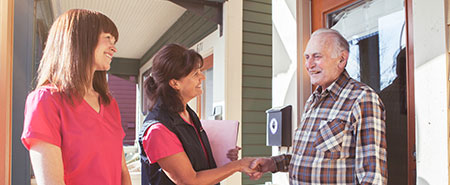
Home Care Services that Make Lives Better
At Nurse Next Door, we go beyond home care. We believe seniors should have choice in everything they do. We match you or your loved one with the perfect caregiver, with care tailored to fit individual needs. We also provide 24/7 live support, providing you with peace of mind.
 Live 24/7 Support Licensed and Personalized Caregivers for happier and safer home healthcare
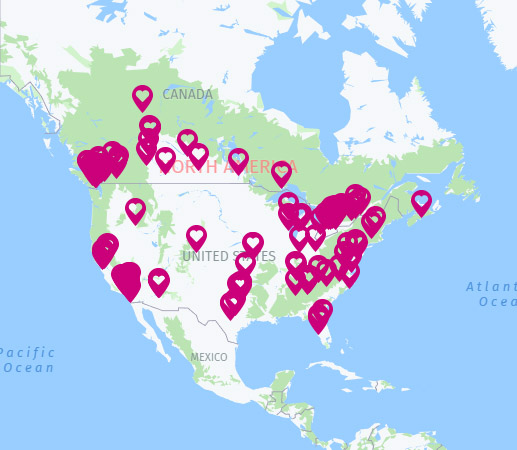
Find your local Nurse Next Door
Where do you need care?
We do senior
home care differently.
It's about caring, not just health care™. We make it possible for seniors to live in their own home. Nurse Next Door home care’s extraordinary family of Caregivers can take care of your loved one so you can get back to being a daughter or son.
Services We Provide
Live 24/7 Scheduling Support
With fast, easy access, we’re always just a phone call away.
Licensed & Insured Caregivers
Find the perfect match. All in home caregivers are kind, trained and insured.
Learn more.
Alzheimer's & Dementia Care
Get total peace of mind with caregivers experienced in accommodating age-related challenges.
Learn more.
Full-Spectrum Home Care
Our caregivers provide housekeeping, cooking and grooming to transportation and medical care.
No Long-term Contracts
You should never feel ‘stuck’. Short-term or long-term, all home care assistance is flexible.
Companionship
Isolation is a leading cause of depression in seniors. Our carefully matched, trusted caregivers offer social interaction for physical and mental well-being.
Learn more.
Caregiver Relief / Respite Care
It takes time and energy to care for a loved one. Respite care offers temporary relief so you can recharge and enjoy time with Mom or Dad.
Learn more.
End-of-Life Care
Everyone deserves comfort, quality of life, and respect for personal treatment decisions and cultural or spiritual concerns. We provide support--and family support--at home or in a care facility.
Learn more.
Find a caregiver and get back to living your life.
Our in-home caregivers build relationships and encourage independence. Matched specially for your loved one, they're flexible, supportive, and passionate about helping Mom or Dad live more comfortably.
Licensed and Insured
The Caring Blog
The Caring Blog is full of informative resources, client stories and offers a viewfinder into the wonderful world of senior home care. Read the latest blogs here.
All Posts